
Key Takeaways
-
Calgary recycled body panels save you money on repairs, particularly for older vehicles, and still deliver the factory-quality fit and finish that frequently outmatches the original paint and many aftermarket parts. Check with your shop or insurer to see if recycled doors, fenders, or hoods are available and covered to reduce your out-of-pocket cost!
-
Opting for recycled vehicle doors and panels contributes to carbon footprint reduction through the repurposing of heavy metal components and their removal from landfills. When you can, go for recycled panels to keep a circular automotive economy going!
-
Some of the best stuff is right here in local Calgary suppliers who have recycled body panels available for same-day pick up. Shop local inventories first to bypass long shipping delays and get your ride back on the road sooner.
-
Since proper fitment is contingent on exact vehicle specifications, manufacturing changes, and hardware compatibility, please double-check year, make, model, trim, and part numbers prior to purchasing. Employ a checklist and test-fit panels to ensure hinges, latches, and mounting points align and function.
-
As weathered paint can make matching difficult, it is important to find the correct paint code and inspect the panels in natural light. For a perfect finish, get it professionally blended or repainted, particularly if the recycled panel is faded, scratched, or repaired.
-
Check recycled panels for structural problems. Have seams been damaged or has corrosion been introduced to preserve both safety and durability? Turn away panels with heavy rust, cracked welds, or large amounts of filler. Address minor surface rust prior to installation.
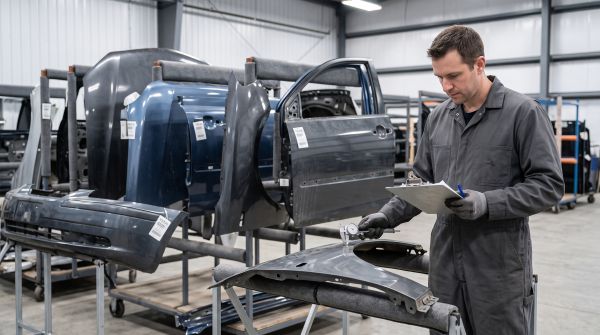
Recycled body panels Calgary - used auto parts removed from end-of-life or wrecked vehicles, inspected and refurbished for re-installation on other vehicles. Most local auto recyclers and salvage yards have doors, fenders, hoods, bumpers, and panels that correspond to popular makes and models on Calgary’s roads. Shops and drivers frequently opt for recycled panels to trim repair expenses and minimize waste, as they help keep metal out of landfills and diminish the need for new steel. Climate, road salt, and hail in the area make rust and damage a real problem, so availability of good used panels counts. The next sections cover where to find them, how they’re graded, and what to watch out for.
Recycled Body Panels Calgary
Recycled body panels Calgary provide drivers with an opportunity to trim damage repair expenses, extend the life of cars on the highway, and reduce the environmental footprint that new parts leave behind. Plenty of local suppliers carry doors, fenders, hoods, bumpers, and quarter panels harvested from retired cars, so it’s genuine automotive-grade metal or plastic, not a discount knock-off.
1. Cost Savings

Recycled body panels are usually considerably less expensive than brand new OEM or even brand new aftermarket panels. For everyday items such as doors or fenders, buyers might encounter prices that are 30 to 70 percent less than new, and some shops in Calgary make this gap very obvious while quoting both options. That gap can be huge on larger panels like full quarter panels or entire tailgates, which tend to be very expensive to purchase brand new.
These savings are most important on older cars where the price of new OEM pieces can approach the value of the vehicle. When you opt for a recycled hood or used bumper, that repair bill can stay low enough that the car is still worth it! Many customers call this a happy medium for price and condition, as the part is original but doesn’t have the “new” price attached.
For Calgary drivers comparing replacement options, exploring available automotive body parts can make it easier to find the right door, fender, hood, bumper, or other exterior component for the vehicle.
Alberta insurances may permit or prefer recycled parts on specific repairs. When that occurs, the owner’s out-of-pocket share is reduced since the claim is made on a reduced parts cost.
A simple way to see the value is a savings table comparing typical parts:
|
Panel type |
New OEM price (baseline) |
Typical recycled saving |
|---|---|---|
|
Door |
100% |
40–60% |
|
Fender |
100% |
30–50% |
|
Hood |
100% |
35–55% |
2. Factory Quality
Recycled body panels are commonly OEM parts salvaged from donor vehicles so they retain all of the factory fit, shape, and mounting geometry. Hinges, brackets, and reinforcements are already in the right place, which helps shops line up gaps and body lines without long trial and error.
These panels fit the original body specifications of the vehicle, as they were manufactured to that specific make and model. Most still have the factory paint too, which typically matches better with aging finishes than a new aftermarket panel that might have a few different contours or edges. Certain Calgary providers batch these OEM, recycled pieces alongside new aftermarket inventory, so customers can browse the status, paint and cost all in one spot.
3. Carbon Reduction
When you reuse a door, fender or hood, you’re eliminating the carbon footprint associated with new metal mining, smelting, stamping and cross-country trucking. The precise figures differ, but maintaining one big steel panel in circulation can stave off tens of kilos of CO₂ relative to making a new one from virgin source. That saving escalates when multiple panels are replaced with recycled parts on the same vehicle.
Body panels recycled keep heavy metal and plastic boulders clean of landfills too. Rather than being crushed or shredded at the end of a car’s life, these panels divert back into the repair stream and extend their time on the road by years. This steady reuse supports a basic circular economy model: parts are removed, checked, cleaned, and put into service again, rather than moving straight from use to waste.
For eco-conscious drivers, opting for a recycled door or quarter panel is an obvious, concrete action that doesn’t require them to alter their driving habits. What’s really interesting is that many Calgary suppliers are now promoting the green side of their recycled stock, allowing buyers to align cost and climate goals in a single purchase.
4. Immediate Availability
Local recycled body panels Calgary are sometimes on the shelf and available for same day pick-up, a huge plus after a collision. Repair shops and private owners can search inventory, verify a part number and come collect the panel directly, rather than wait for shipment from another city or country.
Lead times for new OEM or special-order panels can be anywhere from a few days to a few weeks, particularly for lesser-known makes and older imports. A car could sit in the shop, hogging space and leaving the owner stranded. Recycled panels help cut this downtime by providing a quick route to a usable, roadworthy bodyshell.
If the repair involves more than exterior damage, Calgary vehicle owners can also explore used transmissions and other replacement components when keeping an older vehicle on the road.
Having said that, availability is dependent on the supplier and part. A standard compact car door in a standard color is generally a no brainer. For a rare trim or weird color, you’ll be calling around. A few Calgary yards have OEM, aftermarket, and recycled parts together, so you can see what’s in stock and trade off speed, price, and condition before you buy.
Recycled body panels are generally tested for simple quality prior to sale, but they may be subject to more or less testing depending on the supplier. A lot of our customers tell us that when they’re careful to match the year, model, and part, the panel goes on nicely and does just what it should.
Panel Fitment Realities
Panel Fitment Realities Accurate fitment is key when you swap out exterior panels. It doesn’t matter if you’re using recycled, refurbished, OEM, or aftermarket parts in Calgary or wherever. Even a panel that appears close at a casual glance can leak water and air noise and create poor panel gaps if not matched to the body shell, hardware, and seals. With some makes and models, panel fitment is forgiving. With others, owners experience a recurring nightmare of misplaced holes or uneven edges, particularly with bargain basement aftermarket parts or shoddily reconditioned recycle panels.
Before buying a used or recycled panel, a basic fitment checklist helps keep costs and risks under control:
-
Verify the precise year, make, model, body style, and trim.
-
Check OEM part number and any superseded part numbers.
-
– Determine whether you’ll allow non-OEM. Panel Fitment Realities (and please note that OEM usually fits best).
-
Examine mounting points, brackets, and hole locations on each panel.
-
Search for twist, waves, or stretch marks that indicate prior harm.
-
Examine edges where the panel interfaces with doors, lamps, glass, and bumpers.
-
Check for rust, previous welds or heavy filler that might affect shape.
-
Inquire about panel fitment realities. Ask who reconditioned the panel and what work they did.
-
Confirm your technician has experience with that vehicle platform.
Bad fit generally translates to extra work, additional brackets or minor reshaping which drives up the real repair cost even if the panel price was low. More often than not, this careful verification up front is what safeguards structural integrity and everyday safety post repair.
Production Variances
Automakers tweak stampings half a dozen times over a model run, sometimes even in the middle of the cycle. A 2018 front fender may have different inner bracing, edge radius, mounting holes, and so on than a 2020 version, regardless of how catalog photos appear. For others, a ‘facelift’ year gets new headlamps and bumpers, which changes the fitment of the fender or hood. An older panel will bolt on but never sit right at the gaps.
Nothing beats comparing OEM part numbers. If your numbers don’t match, see if the newer one overrides the older or if it’s a different body style or trim. Visual checks help as well: match body lines, flange width, hole count and spacing, and reinforcement patterns. A panel from a sport trim might have cut-outs for wider flares that a base model doesn’t utilize.
They really don’t realize how important trim level and body style are. A four-door sedan frequently employs distinct rear doors and quarter panels from the two-door coupe, even when the front end appears identical. Panel Fitment Realities Of course, even crossovers built on the same platform can still carry unique hatch or roof panels that don’t swap cleanly.
|
Model year range |
Change type |
Common impact on fitment |
|---|---|---|
|
Pre‑facelift |
Original stampings |
Usually matches only same‑range panels |
|
Facelift years |
New lamps / bumpers |
Edge lines shift; older panels leave odd gaps |
|
Late run |
Added reinforcements |
Extra braces or holes; early panels may not fit |
|
Special trims |
Sports / off‑road kits |
Different flares, brackets, and cut‑outs |
Hardware Alignment
Hardware alignment is where so many recycled panel installs fall down, even when the basic stamping is correct. Hinges, latches, strikers, and weatherstrips all have to come together in the same spot with the same amount of pressure, or you’ve got a vehicle that whistles in the wind, leaks water into the cabin, and doors and hatches that require a hard slam to close. Over time, these can strain latch components and in severe instances can impact body behavior in fender benders.
Pre-paint or final install, make sure every hinge and latch bolt from the original panel can shift over to the recycled piece without having to drill or slot new holes. If the holes are off a few millimeters, a good tech can shim the hinge or lightly elongate the slot, but that extra effort adds labor and can still leave fine tuning margins. Weatherstripping channels must match too or seals will twist and leave tiny gaps at corners.
A dry test-fit is essential. Put the panel on, latch it and verify the gap against adjacent panels, roof, glass and lamps. Paint or low-pressure water spray along seams to test for early leaks. Fitment realities vary by brand and platform, so a tech familiar with that specific vehicle line can notice trends like sagging hinges or aftermarket doors that sit proud on their top edge and make adjustments earlier.
Paint Matching Nuances

Paint match is the trickiest part in using recycled body panels in Calgary, particularly when you’re aiming for an inconspicuous repair. Any slight shift in shade, gloss, or texture is going to pop on a big, flat surface like a door or quarter panel. Metallic and pearlescent paints are even more tricky because the manner in which light strikes the metal or pearl flakes can alter the appearance from angle to angle. As painters will tell you, this is part science, part art because you’re matching not just the color number but the finish, flake pattern, and clear coat thickness.
Factory paint codes if anything. These codes link your car to a particular recipe paint dealers and body shops can stir up. Two cars with the same code should match, whether they’re in Calgary or any other town. In reality, batch variances at the factory, subsequent repaints and general wear mean that code provides a goal, not a flawless promise. Most modern shops use spectrophotometers and color-matching software to scan the actual bodywork and adjust the mix, which goes a long way when dealing with difficult shades like deep blues and greens.
Age, sun and road use affect paint’s appearance. A ‘recycled’ panel that lived its life in strong sun may be more faded or slightly chalky, even if the code ‘matches’ your vehicle exactly. Clear coat can dull, metallic flakes can behave differently after a previous repair, and some paints migrate more than others. Our own eye color perception introduces noise too. Mood, environment, and even what other colors are nearby can make a panel feel ‘off’ or ‘close enough’ to the eye. Generally, they discover that paint matching requires a number of spray-out cards and test blends before it seems adequate. Surface condition matters too. Rough or sand-scratched areas reflect light in strange ways, which can trick both the scanner and your eyes.
For a truly invisible repair, it needs to be professionally blended most of the time. A good painter will not just match the mixed color but blend that color into adjacent panels, then clear coat in such a way that levels out minor discrepancies. This blending, in turn, helps conceal the line between older paint and the finish on the recycled panel, which is crucial on exposed areas such as hoods, fenders, and doors.
Code Locations
Paint codes live on little stickers or plates that most drivers overlook until a fix arises. With recycled panels, that code is what lets a shop mix paint that matches your original finish, so it is worth locating and documenting before you begin your junkyard phone-a-thon.
You usually find the paint code:
-
On the driver’s door jamb, near the latch or hinge.
-
On a sticker in the glove box or center console.
-
On the firewall or cowl in the engine bay
-
On the radiator support or under the hood by the latch.
-
In the trunk, on the spare-wheel well or inner quarter panel.
Some brands use multiple labels and codes that can be interspersed with other numbers. It doesn’t take much effort to whip up a basic chart at home, recording your vehicle make, model, year and where that manufacturer hides the paint code. This can come in handy down the road if you need a fix. It comes in handy if you run more than one vehicle or assist friends or family with their own panel swaps.
Weathering Variances
Recycled body panels just about always exhibit a tale or two. Sun fade, micro-scratches from washing or dings from the parking lot – it’s all too common, even on relatively new cars. Some clear coats could have begun to become satin or show light swirls.
There’s no more honest check than to check a panel in natural daylight. Indoor lights or bright lamps in a warehouse can conceal color shifts and little imperfections. Step outside, check it out from a few angles, and compare it with a picture of your car if you don’t have it on hand.
If you know you will repaint or blend, select panels with minimal damage and minimal fade. Smooth, clean surfaces require less prep and that makes color match more consistent. Deep scratches, chips or old bad repaints can cause the new color to lay on top in a patchy manner after spraying.
Camera paint matching is the oldest trick in the book. Easy notes and some good pictures of dings, scuffs, or thin clear coat establish the proper expectation and assist if there’s any argument after. That history assists your painter in preparing the prep work and quoting time more precisely.
Vehicle Verification Process

Vehicle verification provides a great visual of what panels will fit, how they will line up, and if they are safe to use. It is similar to verifying a used vehicle before you buy it: you check that the real data matches what the seller or parts yard claims and that there are no hidden issues in the background.
Before ordering recycled body panels in Calgary, gather the basics for your checklist:
-
Year of manufacture
-
Make (brand)
-
Model
-
Body style (sedan, hatchback, wagon, SUV, pickup, van, etc.)
-
Trim level includes base, sport, luxury, and technology package.
Add a few more items if possible: engine size, number of doors, drive type (front, rear, or all-wheel drive), and whether the vehicle has advanced driver-assistance features such as parking sensors. This list reduces supplier back-and-forth and minimizes the risk of purchasing a panel that either doesn’t fit or blocks a sensor.
A lot of buyers think this is time and additional paperwork, and in some places vehicle verification is even a legal step for registration. Nailing down these fundamentals early frequently prevents multiple runs to a Calgary recycler, returns or body shop backups.
VIN Decoding
The VIN is the key for accurate matching as it ties to the original build data, not just what the trunk badge says.
On most VIN configurations, the 10th digit specifies the model year. The 11th is the assembly plant, and digits 4 through 8 describe the vehicle line, body style, and engine group. With this, a Calgary recycler can tell if your “SUV” is the short- or long-wheelbase version, which can alter quarter panels and tailgates.
Have the VIN decoded by a reputable internet decoder and make sure the year, make, model, and body style match your registration. This step lets you spot reported accidents, flood damage, or major rebuilds that could involve replaced panels in the history. A few flag open recalls or safety notices. If a panel area was included in a recall fix, you might desire an exact matching design.
Have the VIN handy when you ring or text used parts purveyors in Calgary. Most yards won’t verify compatibility without it, and it’s a frequent source of missing or partial information why purchasers have a hard time getting straightforward responses.
Trim Specifications
It varies. Trim level changes more than badges. It can even vary how a panel is shaped and drilled. A base bumper may be plain, but a higher trim bumper adds chrome moldings, fog light cutouts, parking sensors, or headlight washers. A premium door skin might have additional holes for cladding or chrome strips that a normal door does not contain.
Check your original panel against the recycled panel by trim before purchase. Record whether your vehicle features parking sensors, camera mounts, sidesteps, or flares and jot these down as a basic checklist. When you talk to a Calgary recycler, get them to verify that their panel has the identical holes, brackets, and contours.
Higher trims such as sport or luxury packages frequently utilize panels that aren’t shared with base models, at least not at all. For instance, a sport hatchback might have a special rear bumper with a cutout for dual exhaust, while the base model features a simple design. Without trim matching, a panel may bolt on but appear incorrect or obstruct vital components.
Think of this trim checklist as a quick verification tool, similar to a buyer’s checklist when they examine a used vehicle for safety. Finding matching trim on paper and in photos minimizes surprises when we’re done painting the panel and ready to mount.
When a vehicle has sensors, cameras, wiring, or other electronic equipment affected by a body repair, it is also worth checking available vehicle electrical parts to ensure replacement components are compatible with the vehicle’s existing systems.
Structural Damage Checks
Structural damage checks are important for any recycled body panel, particularly if the donor vehicle has been involved in a crash, hailstorm, or suffered any hard impact. What’s stuck behind a panel can influence its fit, alignment with crumple zones, and further crash behavior. Some damage can impact follow-up work, like I-CAR certified repairs or advanced driver-assistance system (ADAS) calibration that requires accurate body alignment.
Seam Integrity
Check every seam where two sheets of metal come together. Examine carefully at spot welds, seam welds, and folded edges. Take a bright flashlight and pass your finger over the line. Hairline cracks, pinhole gaps, or peeling paint along a seam can indicate strain from a previous hit or harsh extraction. Rust at the seam, even if minor, typically signifies moisture has already gotten to bare metal within that joint.
Look for indications that a panel was previously fixed. Bulky body filler close to seams, lumpy edges or grinder marks beneath the paint may indicate previous accident repairs. Poor repairs around a recycled panel’s seams can indicate that the donor car suffered a heavy blow that shifted the structure, not just the skin. This can lead to fitment problems or added install time, and in certain instances, it compromises how the panel reinforces adjacent components in a subsequent collision.
If you notice obvious seam failures, like split welds, warped flanges, or filler pulling away from the metal, back away from that panel. Damage like this can get worse with winter freeze–thaw cycles and road salt or magnesium chloride, which tend to creep into micro-cracks and accelerate rust. Snap pictures of seam areas that look solid before you buy, so you or your shop can compare later during prep and paint and spot any new issues.
Corrosion Signs
Examine the entire panel for rust spots, bubbling paint or little blisters beneath the clear coat. These can be early corrosion signs, even if the outer color still appears okay. UV exposure will erode clear coat and paint. Once that top layer is compromised, moisture and salt have a direct route into the underlying metal. On panels originating in colder regions, the combination of road salt and relentless freeze-thaw has a tendency to shove water into chips and scratches, which can develop into deeper structural issues.
Concentrate on edges, mounting points and body lines initially. These spots experience more strain and any rust here can impact how snug the panel fits onto the car. Pitting or scale rust near bolt holes or brackets are red flags since after the metal thins, it may no longer hold torque or support impact loads as intended. If rust is already flaking, the panel may require more love than it’s worth and repairs can extend beyond two days once cutting, welding, and refinishing commence.
For optimal long-term outcome, choose recycled panels with clean, smooth, rust-free surfaces on the exterior and inner shell. A little surface rust on the back side can be fine once in a while if it is shallow and dry. In those instances, strip it to bare metal, treat with a good rust converter or primer, then seal and paint prior to installation. This prevents little chips or early rust from becoming big jobs down the road that may require structural reinforcement or even frame checks to keep the vehicle safe.
Repainting Versus Preserving
Painting recycled body panels in Calgary or preserving the original finish is a decision that involves several factors, such as cost, condition, and your long-term goals for the vehicle. Both routes can work brilliantly if you align them with the panel’s condition and your vision for the car.
Repainting is usually the more forgiving choice. It can camouflage color variation between a recycled panel and the rest of the vehicle, level out deep scratches, and hide obvious repairs like filler work or welding seams. For many owners, a vehicle repaint is an inexpensive means of rejuvenating its appearance, with some estimates demonstrating it can be around 20 to 80 percent less expensive than purchasing new parts or even replacing the vehicle. A full repaint can make sense if the original paint on a few panels is faded, peeling, or sunburned, or if rust has begun under the clear coat. In an area with a hot sun, winter road salt, or fluctuating temperatures, a quality repaint provides the same added protection from the elements, which is why stores in rougher climates like Kingston tend to push it on aging vehicles.
Preserving original paint keeps more of the vehicle’s history and often its value. Most buyers check for factory paint when they shop since it indicates that the car hasn’t likely been in a major collision. If a recycled panel comes in a color that matches your vehicle and the finish is still glossy, even, and not deeply chipped, preserving that paint can be effective. Touch-ups or paint jobs are generally acceptable only when the damage is restricted to a panel or two, not across the entire car. To a handful of owners, original paint is about more than money. They cherish their car’s authenticity and its subtle signs of age.
Since every vehicle and panel is different, it’s best to consult a professional collision or paint shop in Calgary. They can test color match in daylight, measure paint thickness, and talk you through options such as blending surrounding panels or a complete refinish so your decision aligns with your budget and objectives.
Conclusion
Recycled body panels Calgary shops can cut parts cost. Owners can keep cars running for additional years. The trade-off seems obvious. Save money, but check more carefully for fit, paint and safety.
One good shop in the city already works with this brew. They try out panel fit. They check paint codes. They scan the vehicle. They check for frame damage. They chat through repaint or blend.
Smart move here is straightforward. Pose blunt inquiries. Who inspected the donor vehicle? How do they match paint? What scan do they do? What will they repair if a panel doesn’t sit right? Kick off that conversation with your shop on your next repair and find out if a recycled panel fits your plan.
Frequently Asked Questions
Are recycled body panels in Calgary as safe as new panels?
Seriously, if you get those recycled body panels from good Calgary recyclers, they’re just as safe as new ones. They are pulled from undamaged cars, checked for structural soundness, and frequently graded. That said, always check out the dealer’s inspection procedure and warranty options.
How well do recycled body panels fit my vehicle?
FITMENT – depends on exact YEAR, MAKE, MODEL and TRIM. Well sourced recycled panels typically fit like original because they are OEM parts. An expert Calgary body shop could re-calibrate alignment for even panel gaps and a factory-esque appearance.
Can a body shop match paint on a recycled panel?
Yes. Talented Calgary paint techs rely on paint codes, digital color-matching tools, and blending techniques. They are able to match paint on recycled panels very well indeed. If the prep, priming, and blending are done properly, many times you can’t even see the repair.
How do shops verify recycled panels are correct for my car?
Specialists check against your VIN, manufacturer part numbers and visually. They validate mounting points, body style and sensor or camera placement. This helps the panel be correct, safe, and compatible with your vehicle’s systems.
Will recycled body panels affect my vehicle’s structural safety?
Body panels such as fenders and doors are typically non-structural. Front rails, pillars and frame pieces are structural. Trustworthy Calgary stores check recycled panels for bends, rust, and prior repairs and don’t reuse structurally compromised parts on safety-critical areas.
Is it better to repaint recycled panels or keep their original paint?
It depends on color match and condition. If the panel’s original paint is a close match and in good condition, preserving it saves time and money. In case of fading, scratches, or color mismatch, repainting results in a cleaner, more uniform finish.
Are recycled body panels a cost-effective option in Calgary?
Yes. Recycled panels can cost hundreds less than new OEM parts with the same original quality. They cut repair bills, keep old cars on the road, and go green by recycling!